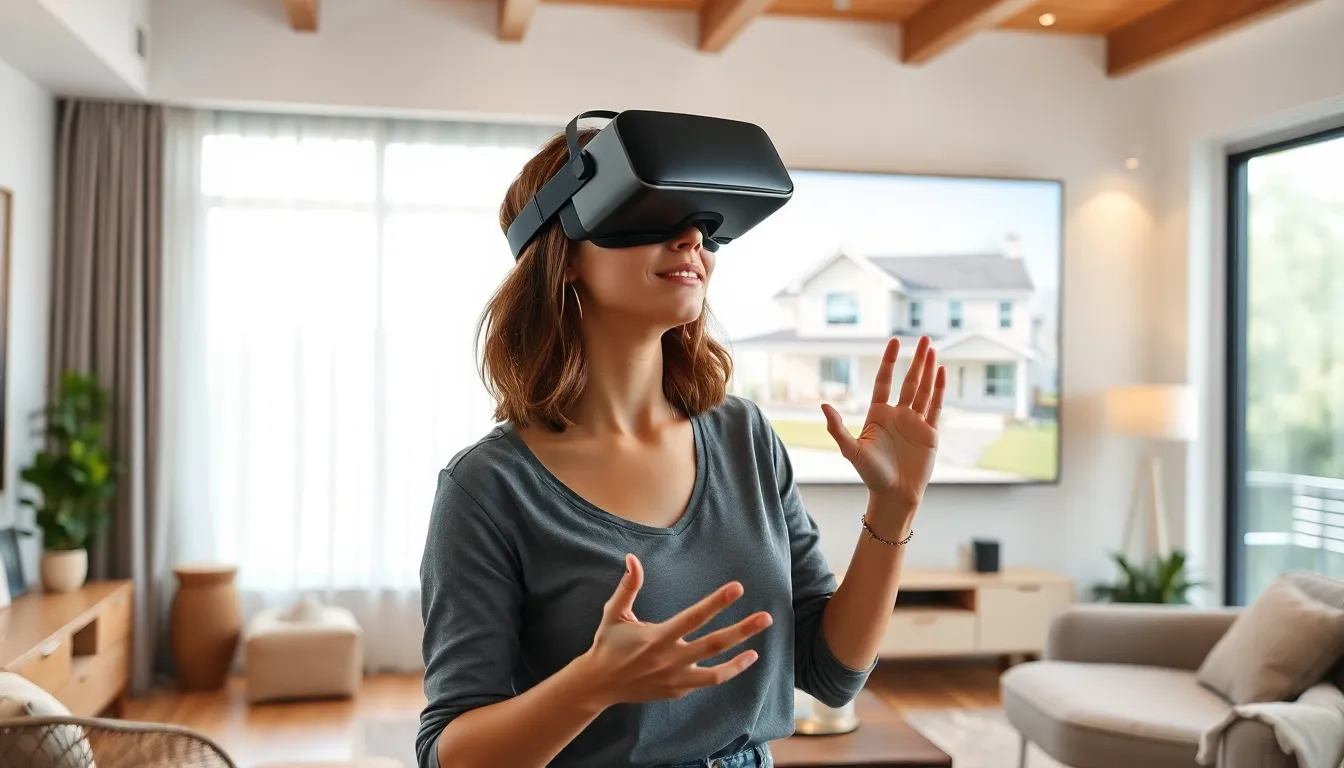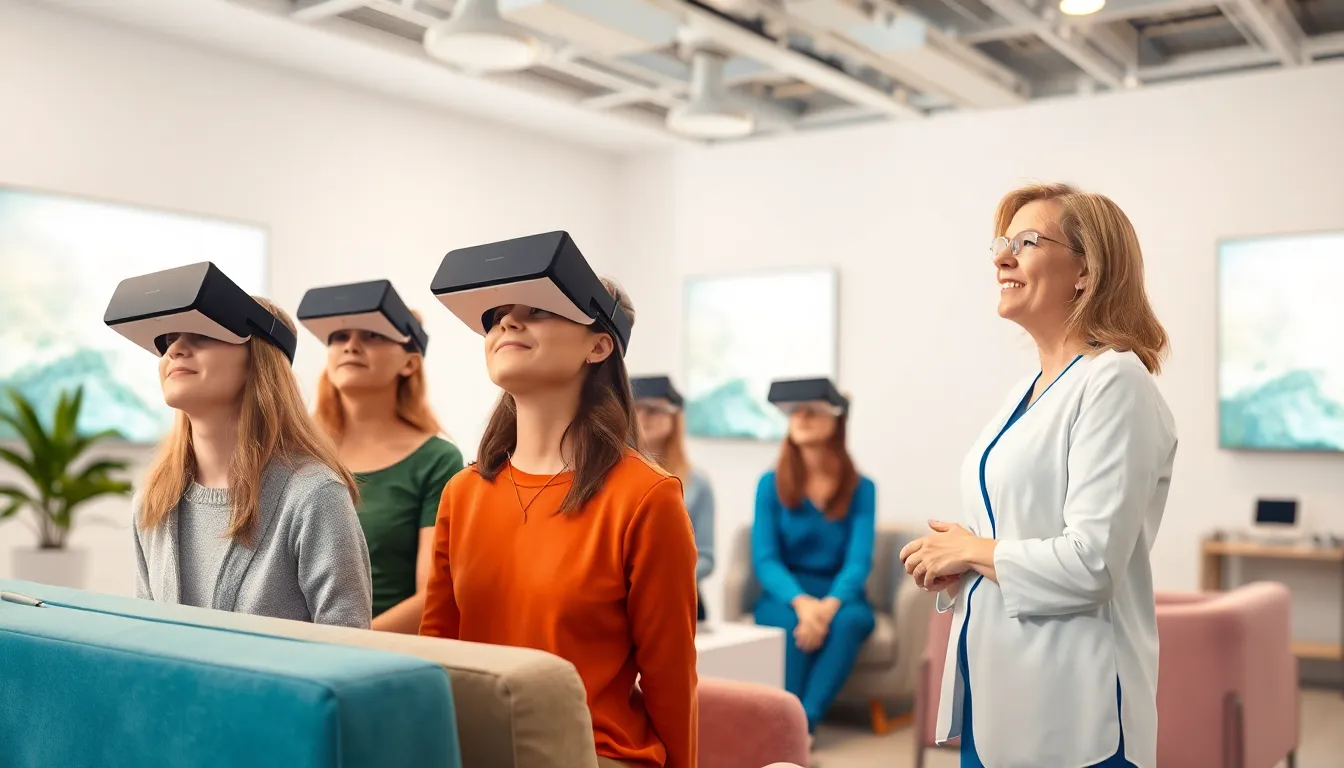
Imagine slipping on a pair of sleek goggles and suddenly finding yourself in a serene forest, where your worries float away like autumn leaves. Welcome to the world of virtual reality therapy, where healing meets innovation in a way that feels more like a video game than a doctor’s appointment. This cutting-edge approach is shaking up traditional therapy, making it not just effective but also a whole lot of fun.
From tackling anxiety to overcoming phobias, virtual reality therapy offers a unique escape that’s both immersive and engaging. It’s like having a personal cheerleader in a digital realm, guiding individuals through their challenges with a sprinkle of high-tech magic. As the stigma around mental health fades, more people are discovering the transformative power of VR therapy, proving that sometimes, the best way to face your fears is to dive headfirst into a virtual adventure.
Overview Of Virtual Reality Therapy
Virtual reality therapy offers an innovative way to enhance mental health treatment by immersing individuals in tailored environments. This approach helps tackle various psychological issues, engaging users in a dynamic and enjoyable manner.
Definition And Concept
Virtual reality therapy uses computer-generated simulations to create immersive environments for therapeutic purposes. Therapists guide individuals through scenarios that address specific mental health challenges, including anxiety, depression, and phobias. Individuals practice coping strategies and confront fears within controlled settings, promoting exposure and desensitization. Benefits include enhanced engagement, increased emotional safety, and the ability to practice skills in real-time scenarios, proving effective for various populations. Research indicates patients respond positively, often reporting lower anxiety levels post-therapy.
Historical Background
The roots of virtual reality therapy trace back to the 1990s, when researchers began exploring the potential of virtual environments. Initial applications focused on treating post-traumatic stress disorder and phobias. Innovations in technology led to improved visuals and user experiences, making therapy more accessible and relatable. By the early 2000s, numerous studies demonstrated the effectiveness of VR in treating anxiety disorders and phobias. As technology advanced, applications expanded to include conditions such as PTSD and social anxiety, illustrating VR therapy’s growing acceptance within the mental health field. Today, advancements continue to shape the future of this therapeutic approach, responding to the evolving needs of patients.
Applications Of Virtual Reality Therapy
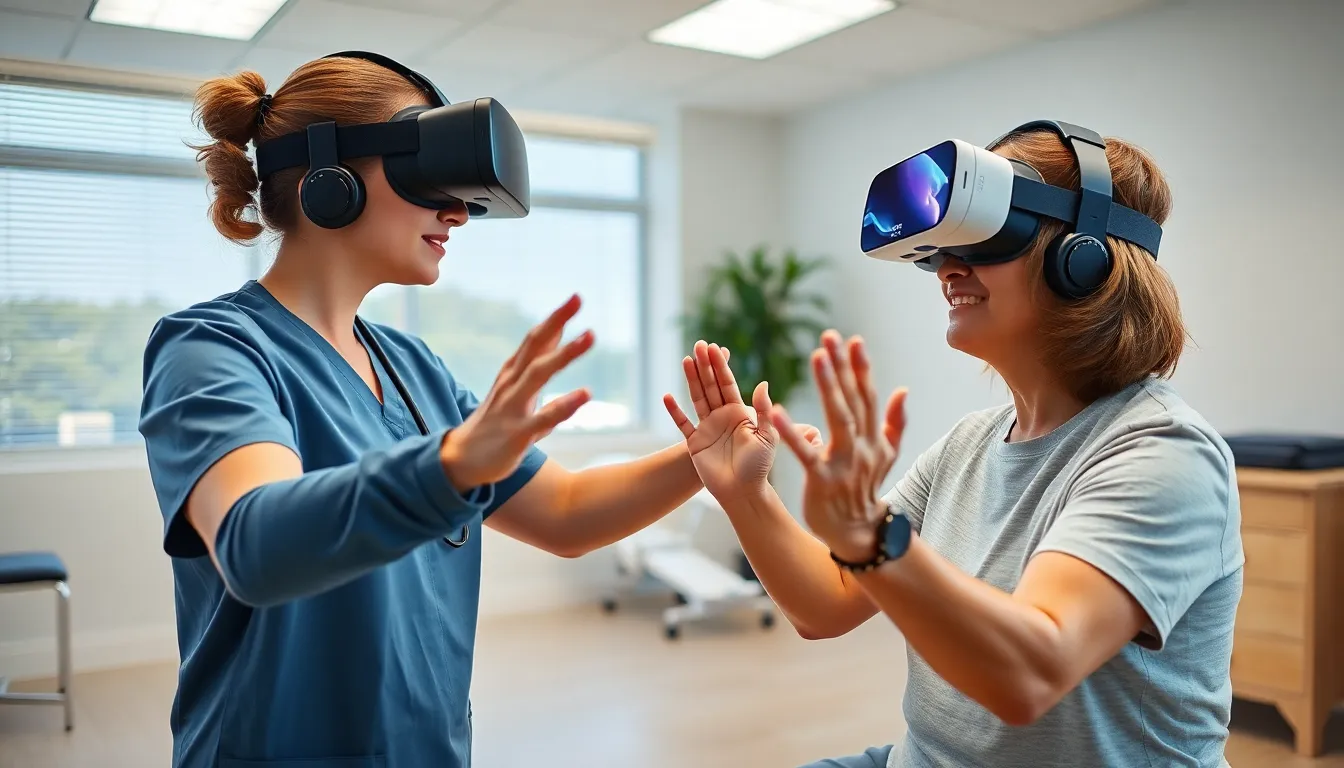
Virtual reality therapy finds diverse applications across various fields, making a significant impact on mental health and physical rehabilitation.
Treatment Of Anxiety Disorders
Treatment of anxiety disorders benefits from the immersive capabilities of virtual reality therapy. Practitioners can create controlled environments that simulate anxiety-inducing situations, allowing patients to confront and process their fears safely. Exposure therapy involves gradual exposure to triggers, enabling desensitization. Research indicates significant reductions in anxiety levels and symptoms following VR therapy sessions, as individuals learn effective coping strategies in real-time. The engaging nature of virtual reality keeps patients motivated, turning daunting tasks into manageable experiences.
Rehabilitation For Physical Injuries
Rehabilitation for physical injuries incorporates virtual reality to enhance recovery outcomes. VR therapy provides interactive scenarios that encourage movement and rehabilitation exercises, promoting physical activity in a fun and engaging way. Therapists customize sessions to suit individual recovery needs, ensuring patients stay motivated throughout the process. Studies reveal that patients experience increased motivation and engagement during VR rehabilitation, leading to improved physical performance and quicker recovery times. By simulating real-world tasks, individuals regain confidence and enhance motor skills effectively.
Benefits Of Virtual Reality Therapy
Virtual reality therapy offers unique advantages that enhance mental health treatment. This innovative approach creates a compelling experience for individuals seeking support.
Immersive Experience
Immersion plays a crucial role in VR therapy. It transports users into simulated environments that replicate real-life scenarios. Anxiety-provoking situations become manageable as patients engage with the surroundings. Realistic visual and auditory elements contribute to a heightened sense of presence. This sensory engagement enables individuals to confront fears safely and effectively. Studies indicate that immersive experiences can lead to significant reductions in anxiety levels post-therapy. Patients feel more equipped to handle similar situations in everyday life after experiencing VR sessions.
Customization And Personalization
Customization boosts the effectiveness of VR therapy. Therapists can tailor environments and scenarios to address specific patient needs. Individual preferences and challenges shape the virtual experience. Personalized settings foster comfort and encourage open exploration. As clients navigate their unique journeys, they can practice coping strategies relevant to their situations. Research shows that personalized VR sessions contribute to more successful outcomes. Motivation increases when individuals relate their therapy to personal experiences, promoting long-term improvement. This adaptable method aligns therapeutic goals with patient progress, enhancing the overall experience.
Challenges And Limitations
Virtual reality therapy faces several challenges and limitations that can impact its effectiveness and accessibility. Addressing these issues is essential for optimizing the therapy’s potential.
Technical Limitations
Technical limitations of virtual reality therapy can hinder its implementation. Hardware costs often remain high, creating barriers for some practitioners and patients. Not all VR systems provide the necessary graphical fidelity, which affects immersion. Software compatibility issues may arise, complicating integration into existing therapeutic practices. Additionally, users may experience nausea or discomfort when using VR headsets, leading to reduced effectiveness of therapy sessions. These factors contribute to a need for ongoing advancements in technology to ensure broader adoption and improved experiences.
Accessibility Issues
Accessibility issues present significant obstacles to virtual reality therapy’s widespread use. Some individuals may lack the physical ability to engage with VR gear, leading to exclusion from potential benefits. Economic disparities can result in limited access to VR resources for low-income populations. Furthermore, not everyone has access to high-speed internet, which can affect online therapeutic sessions. Awareness and education about the effectiveness of VR therapy remain limited in certain communities, preventing many from exploring this innovative option. Addressing these issues is crucial for ensuring equal opportunities for all individuals seeking mental health treatment.
Future Of Virtual Reality Therapy
The future of virtual reality therapy holds great promise powered by emerging technologies and innovative research. These advancements are poised to enhance mental health treatment significantly.
Emerging Technologies
Artificial intelligence plays a pivotal role in virtual reality therapy’s evolution. By incorporating AI, therapists can create dynamically responding environments tailored to individual patient needs. Enhanced graphics and hardware improvements will contribute to more immersive experiences. Accessibility options are also expanding as developers work on affordable solutions for VR therapy. Cloud-based platforms are emerging, enabling therapists to conduct session from remote locations. Furthermore, wearable technology will offer additional biometric data, allowing for real-time adjustments during therapy.
Research And Development Trends
Current research highlights continuous progress in virtual reality therapy applications. Studies are increasingly focused on long-term outcomes and therapeutic efficacy across diverse populations. Collaborations between technology companies and mental health professionals are fostering innovative approaches. Techniques for integrating VR therapy with traditional methods are being explored to maximize patient benefit. Additionally, research on user experience and usability will drive future designs. Investment in clinical trials demonstrates a growing commitment to evidence-based practices in this field.
Virtual reality therapy represents a transformative approach to mental health treatment that blends technology with therapeutic practices. Its ability to immerse individuals in tailored environments fosters a unique and engaging experience that promotes effective coping strategies. As advancements continue to shape this field, the potential for VR therapy to address diverse mental health challenges remains significant.
While challenges exist in terms of accessibility and technology, ongoing innovations promise to enhance its effectiveness and reach. The future of virtual reality therapy looks bright, with opportunities for integration into traditional therapeutic methods and the potential for personalized experiences that resonate deeply with users. Embracing this cutting-edge approach could redefine mental health treatment for many individuals seeking support.